At the foot of Montgó, next to the road that connects Xàbia with Jesús Pobre, is one of the oldest religious buildings in the municipality: the hermitage of Pòpul, a temple of medieval origin linked for centuries to the history, the devotion and traditions of the area.
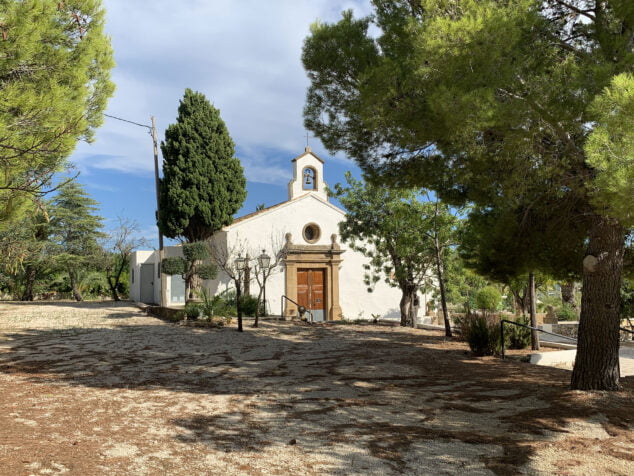
The hermitage of Pòpul (you can see it written in Castilian with the closed accent, Pópul, and also named as Hermitage of the Virgin of LoretoIt is one of the oldest buildings in Xàbia. Its image is easily recognizable, on the slopes of Montgó.
- 1.
- 2.
- 2.1.
- 2.2.
- 3.
- 4.
- 5.
- 6.
- 7.
History
The hermitage of Pòpul belongs to the so-called 'Hermitages of the Conquest' (dating from the 14th and 15th centuries), because during this period, after the expulsion of the Muslims and the reconquest of the Kingdom of Valencia in the 13th century, Christians were arriving to repopulate the area. Thus, hermitages were built throughout the municipality of Xàbia as a way of reaffirming the new Christian presence in the territory. Currently, of the four Hermitages of the Conquest that existed, only three remain, and they are owned by the municipality (the other two are the Hermitage of the Conquest). San Juan and of Saint Lucia and Saint Barbara).
These hermitages of the reconquest are a set of Gothic hermitages built according to the canons of the time: with a single nave, gabled roof and a single access door with a semicircular arch (if it is preserved). Specifically, the Pòpul hermitage dates from the XNUMXth century (although the exact date of its construction is unknown), and it was originally dedicated to San Bartolomé, because the valley where it is located is known by this name. But little by little, that invocation was replaced by that of the Virgin. Already in the XNUMXth century it was known as the Hermitage of the Mare de Déu del Pòpul, which is similar to that of the Virgen del Loreto, which presides over the chapel.
Throughout its history it has been modified, especially in the XNUMXth century, when it was deeply remodeled and various elements were added. However, despite the interventions, the original Gothic building is intact.
Architecture
These hermitages are usually rather simple and with a sober interior.
Exterior
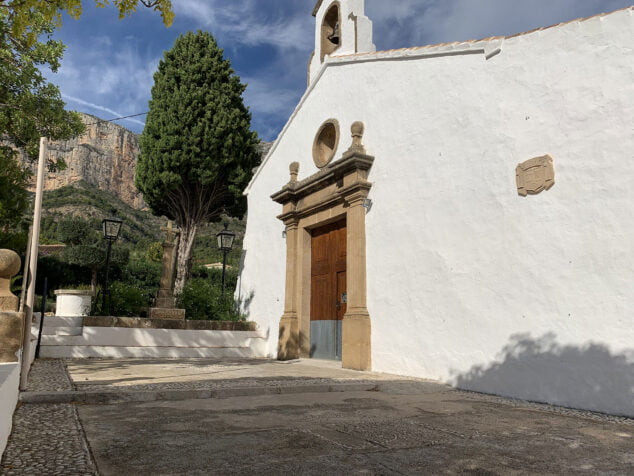
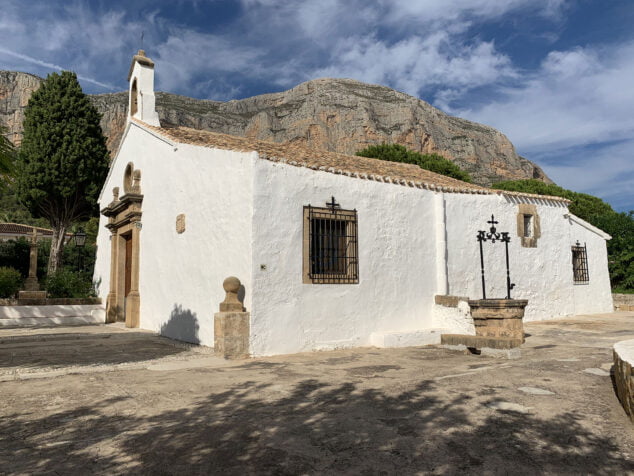
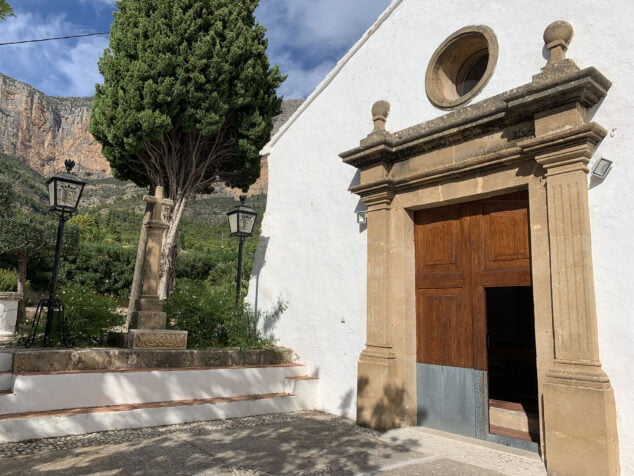
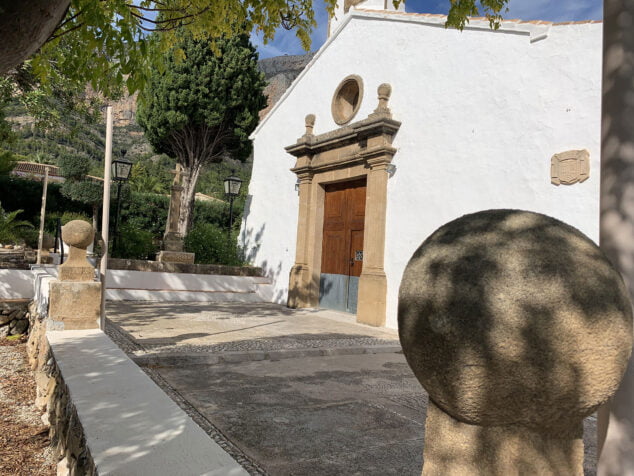
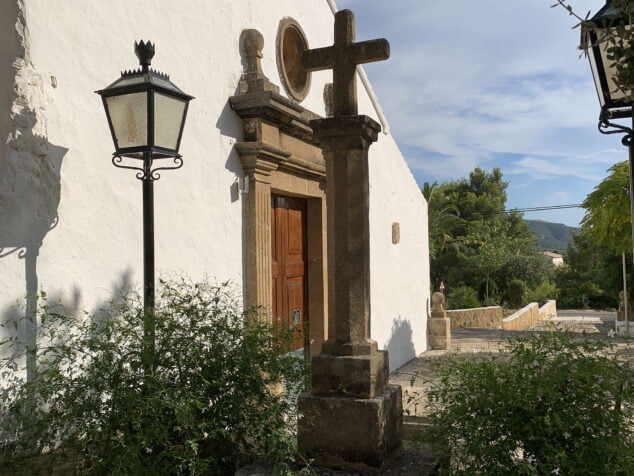
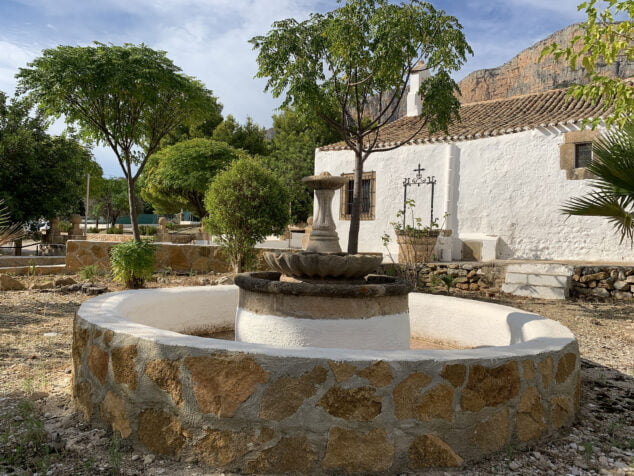
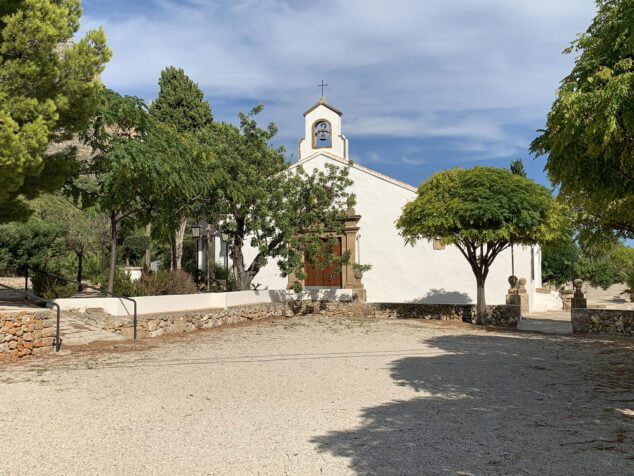
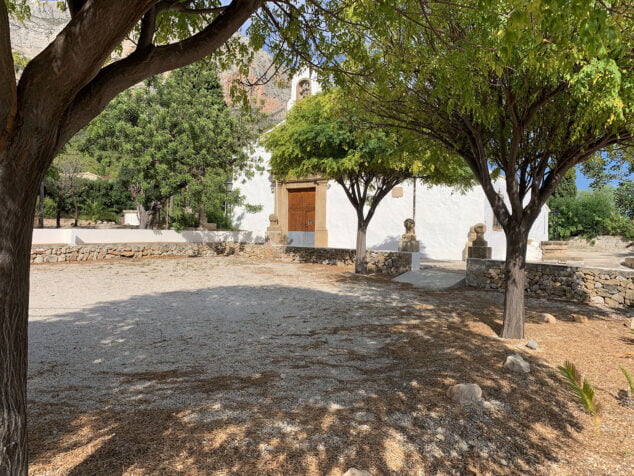
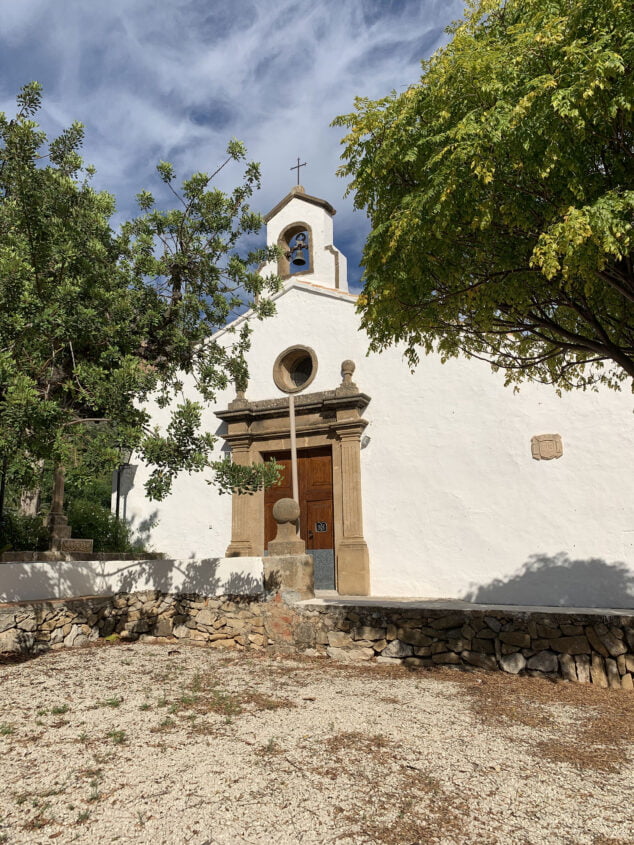
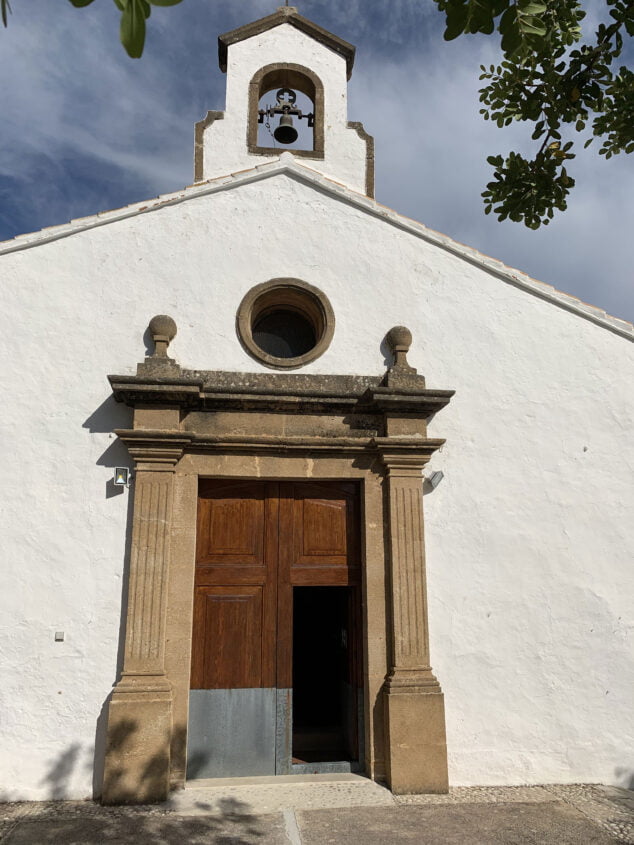
It is a rectangular-shaped construction with a very shallow gabled roof built on a wooden frame, with masonry walls and buttresses. The hermit's house is attached to the right, with barred windows and a well. The façade is pentagonal, asymmetrical, and opens onto a tree-lined square. It has a Renaissance façade with rough stone, with two fluted pilasters with Doric capital. This is the description that the book makes "The hermitages of the province of Alicante", by Ramón Candelas Orgilés:
The facade is pentagonal, extending to the right comprising the hermit's house; It shows a Renaissance façade in rough stone: two grooved pilasters with a Doric plinth and capital, entablature and ball pinnacles at the ends and a lintel span; above it a round oculus, a clear pediment and a belfry with stirrups, a semicircular hole and a two-sided roof. All these elements come from the later reform of the XNUMXth century, the same as those added to the floor plan: hermit's house, sacristy and choir.
Interior
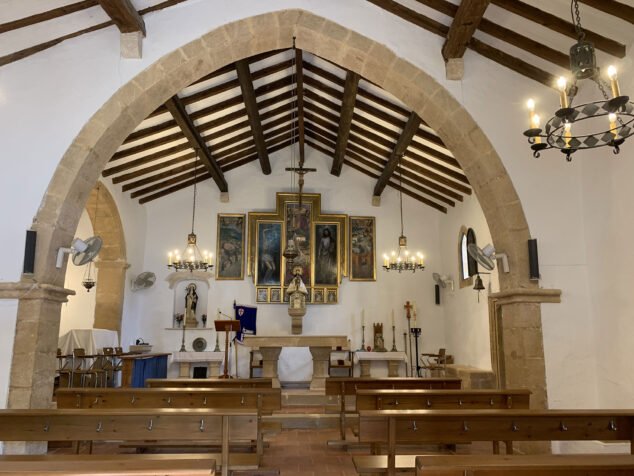
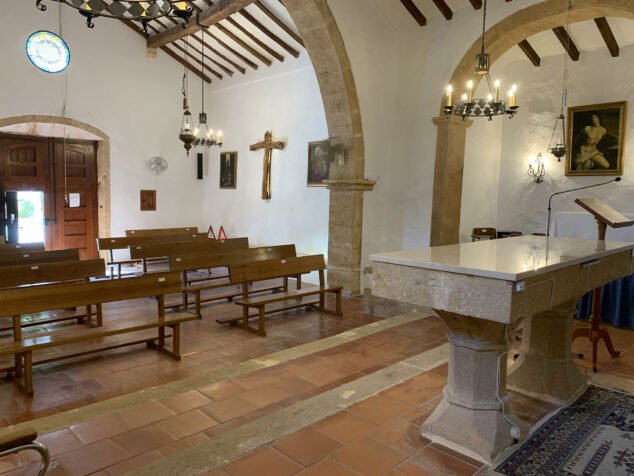
The interior has been greatly modified, like the exterior, especially in the XNUMXth century, when the sacristy, choir and access to the hermit's house were added. A large pointed arch of tosca divides the nave, which is covered with a gabled roof supported by a framework of wooden beams. The presbytery rises on a steps and to its left a semicircular arch leads to the choir.
Again, Candelas Orgilés explains it in her work dedicated to the hermitages of the province of Alicante:
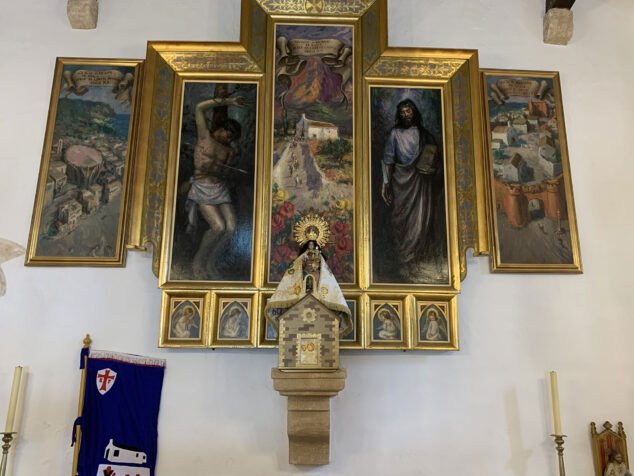
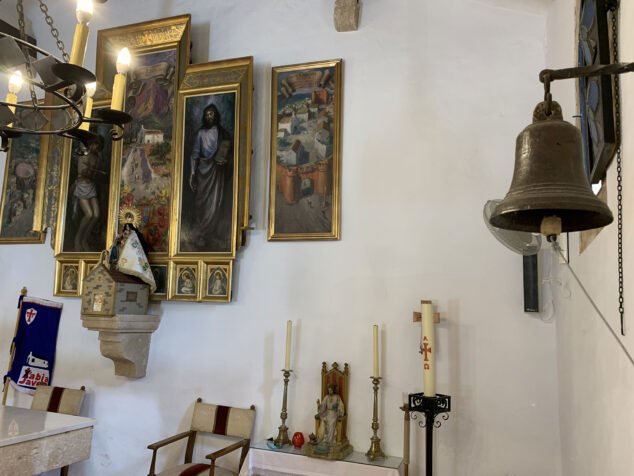
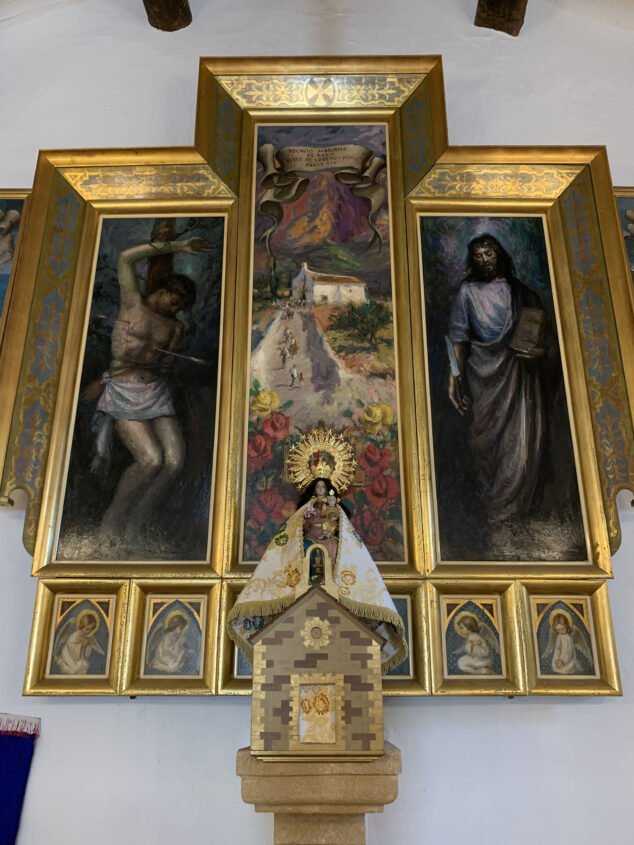
It has some sections with a work bench attached to the wall and, in the second section, the presbytery raised a step; straight front with neo-Gothic altarpiece with paintings alluding to Saint Bartholomew and Saint Sebastian. On a corbel, an image of the Virgin of Loreto on the little house, which in this case serves as a Sagrario. To the left a shallow chapel, with a rough stone semicircular arch opening, today houses the choir and to the right a high window with stained glass. To the right of the first section, another arch similar to the previous one has been opened that accesses part of the hermit's house by expanding the nave. All these additions disfigure the original structure.
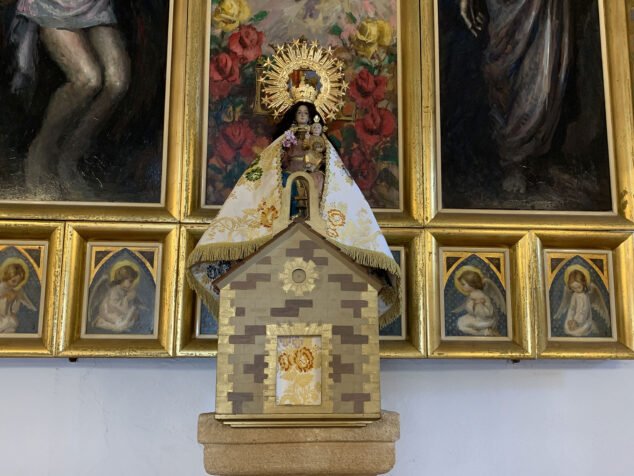
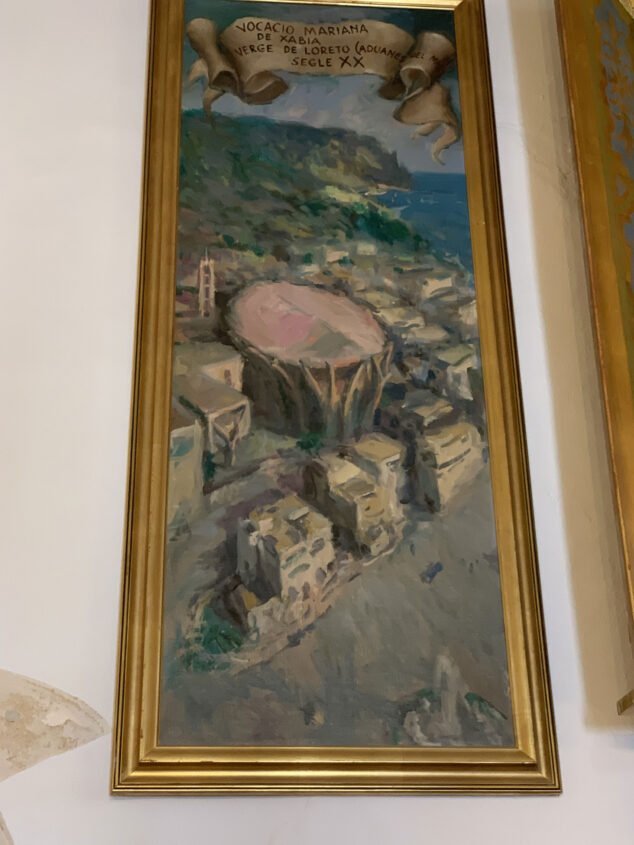
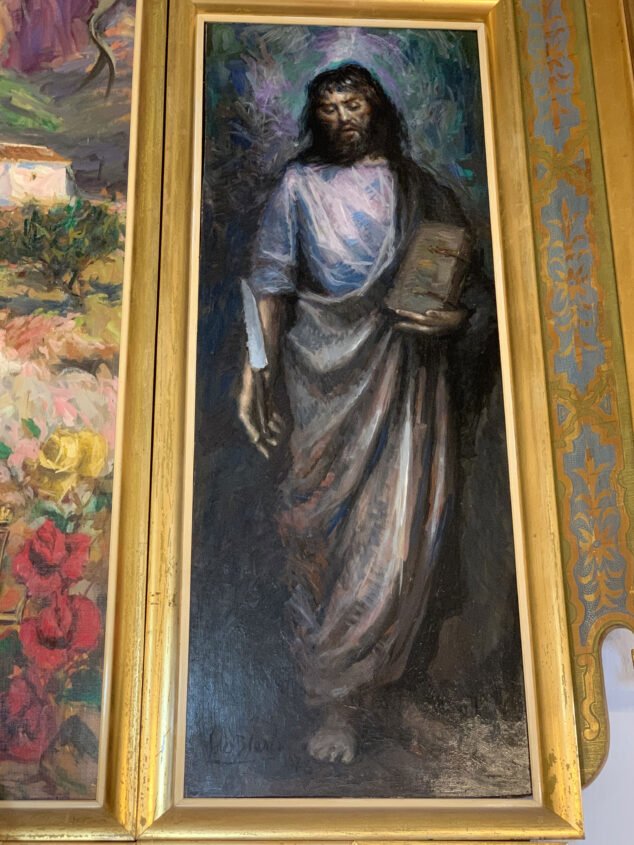
The neo-Gothic altarpiece that presides over the altar has representations of the Virgin, of San Sebastián and of Saint Bartholomew. The carving of the Virgin of Loreto is made of cypress wood, created after the Civil War by the local sculptor Juan Bautista Devesa, The Santoret. Other objects of worship and imagery are the paintings of the artist Juan Bautista Soler Blasco (1920-1984), closely linked to Xàbia.
The Virgin
The image of the Virgin of Pòpul represents the same Virgin of Loreto, patron saint of aviation, although with a different symbolism than the Mare de Deu de Loreto linked to the maritime community.
It should be noted that the sculpture that is currently venerated was made by Juan Bautista Devesa, 'El Santeret', after the Civil War.
Where is it and how to get there
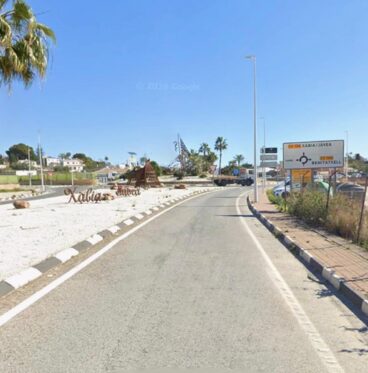
It's located on the road from Jávea to Jesús Pobre (CV-735), specifically 3,4 kilometers from the town center of Xàbia, on the right. It's on the southern slope of Montgó, formerly a rural area and now highly urbanized.
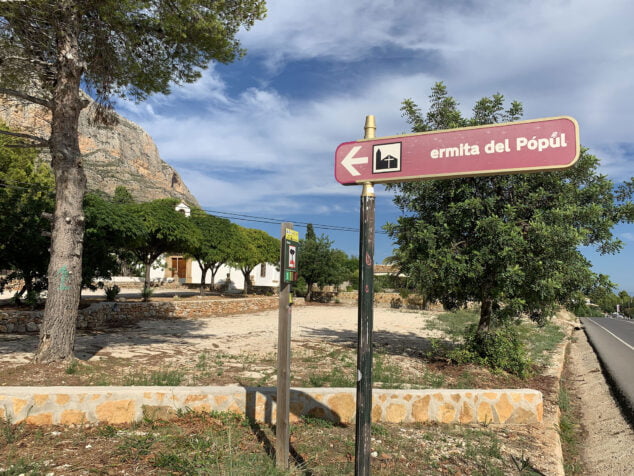
Its address is carrer Ermita 1, and here is a map to help you get there.
Holidays and traditions
His party, in which Gata de Gorgos, the neighboring municipality also participates, is celebrated on second Sunday in SeptemberThat day one goes to pilgrimage to the hermitage, where a sung mass is celebrated, after the image is carried in procession around the surrounding area accompanied by The music traditional. The day ends with the distribution of sweets, chocolate and a celebratory wine.
Curiosities
It is one of the oldest buildings in Xàbia (dated in the 1972th century, although on an unknown specific date). It suffered serious damage during the Civil War, being abandoned until in XNUMX the request of the Anglican Church (many British people live in the area) to rehabilitate it to share its cult with the Catholic was met. Until now, the coexistence of the two cults is maintained.
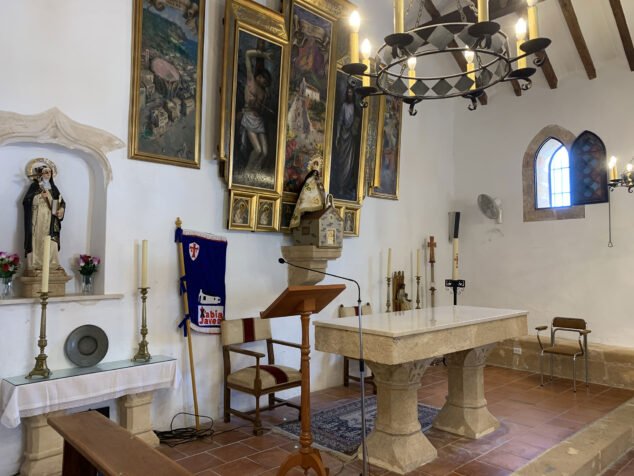
Pictures
-
 Entrance and cross of the Hermitage of Pòpul in Jávea | Image: Tino Calvo
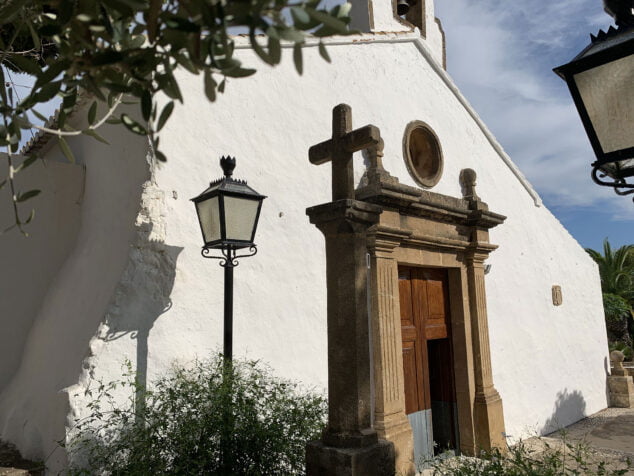
-
Well of the Hermitage of Pòpul de Jávea | Image: Tino Calvo
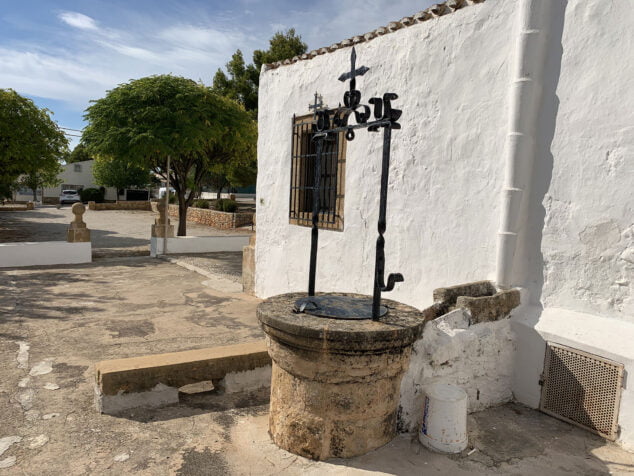
-
Rear part of the Ermita del Pòpul de Jávea | Image: Tino Calvo
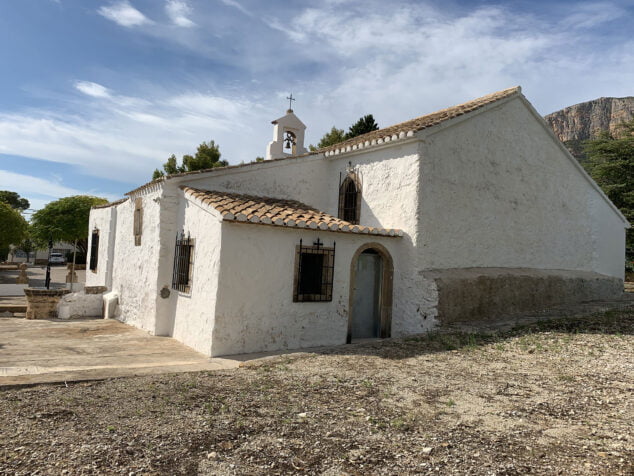
-
Side of the Hermitage of Pòpul de Jávea | Image: Tino Calvo
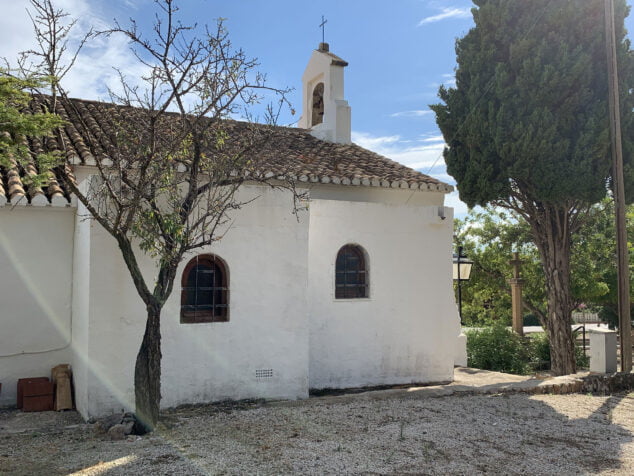
-
Bell of the Hermitage of Pòpul in Jávea | Image: Tino Calvo

-
Altar of the Hermitage of Pòpul in Jávea | Image: Tino Calvo
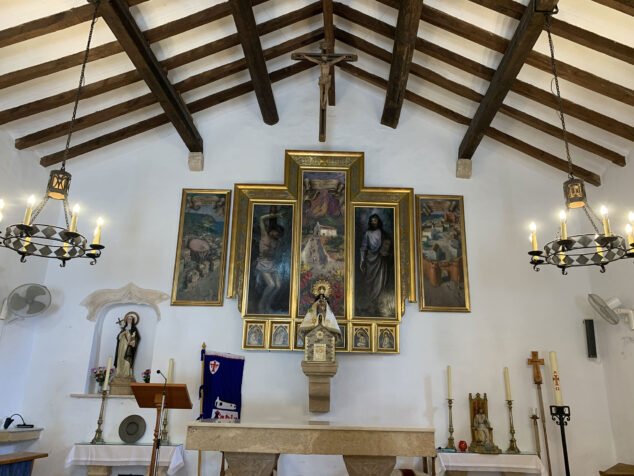
-
Interior view of the Ermita del Pòpul in Jávea | Image: Tino Calvo
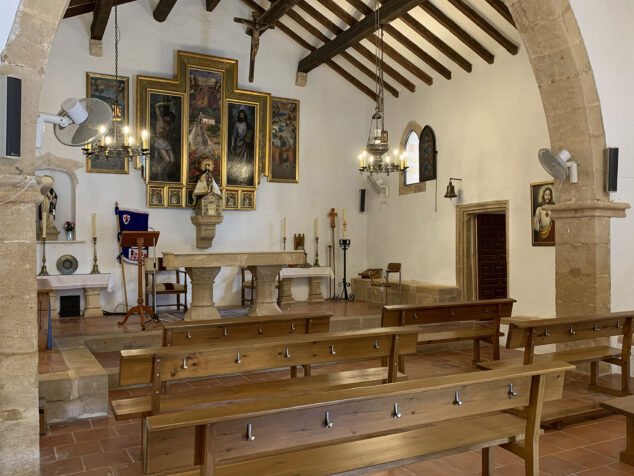
-
Interior of the Hermitage of Pòpul in Jávea | Image: Tino Calvo
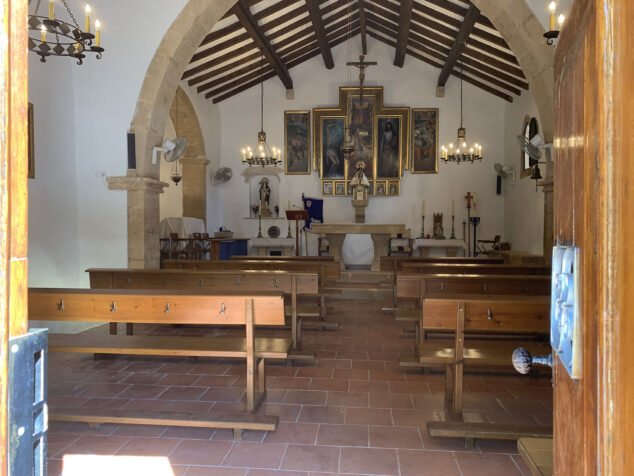
-
Banks of the Ermita del Pòpul in Jávea | Image: Tino Calvo
-
Side of the altar of the Ermita del Pòpul de Jávea | Image: Tino Calvo
-
Open door in the Hermitage of Pòpul in Jávea | Image: Tino Calvo
-
Entrance of the Hermitage of Pòpul de Jávea | Image: Tino Calvo
-
entrance-and-cross-hermitage-popul-javea
-
Fountain of the Ermita del Pòpul de Jávea | Image: Tino Calvo
-
Exterior image of the Hermitage of Pòpul in Jávea | Image: Tino Calvo
-
Exterior with trees in the Ermita del Pòpul de Jávea | Image: Tino Calvo
-
 General view of the Hermitage of Pòpul in Jávea | Image: Tino Calvo-campana-ermita-popul-javea
-
Gate of the Hermitage of Pòpul de Jávea | Image: Tino Calvo
-
Image of the altar of the Ermita del Pòpul in Jávea | Image: Tino Calvo
-
Side canvas of the Hermitage of Pòpul in Jávea | Image: Tino Calvo
-
Canvas of the Hermitage of Pòpul in Jávea | Image: Tino Calvo
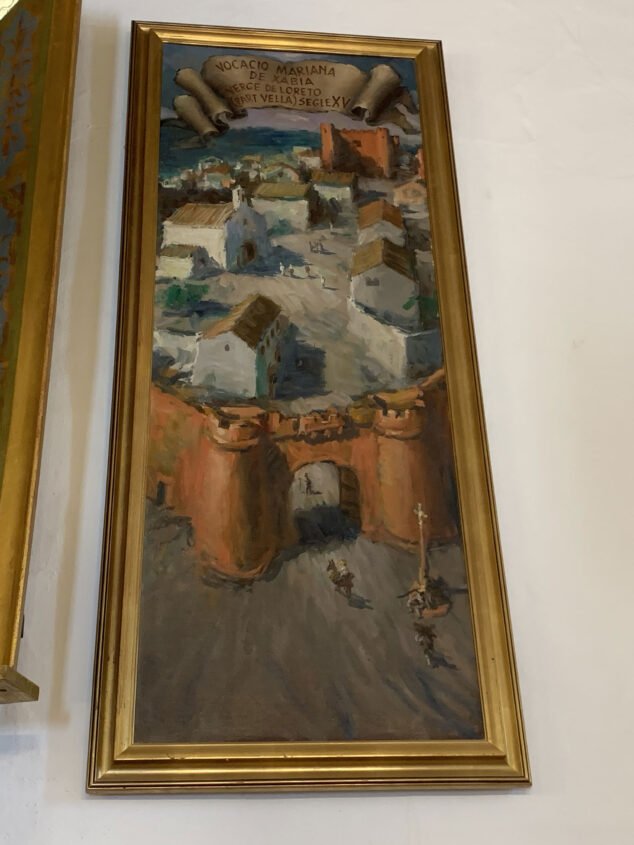
-
Canvas in the Hermitage of Pòpul in Jávea | Image: Tino Calvo
Bibliographic sources consulted: "The hermitages of the province of Alicante", by Ramón Candelas Orgilés, published by the Diputación in 2004.