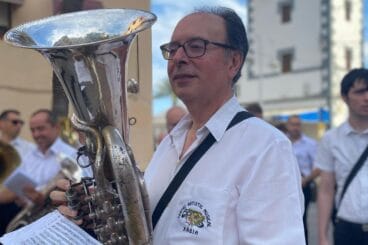
Local historian José Font Caballero's research on Xàbia during the Franco regime has reached its third edition, responding to the interest generated by previous installments. This work offers an in-depth perspective on how the town underwent an economic, social, and urban transformation that laid the foundations for its current tourism model, from the years leading up to the Civil War to the first democratic elections.
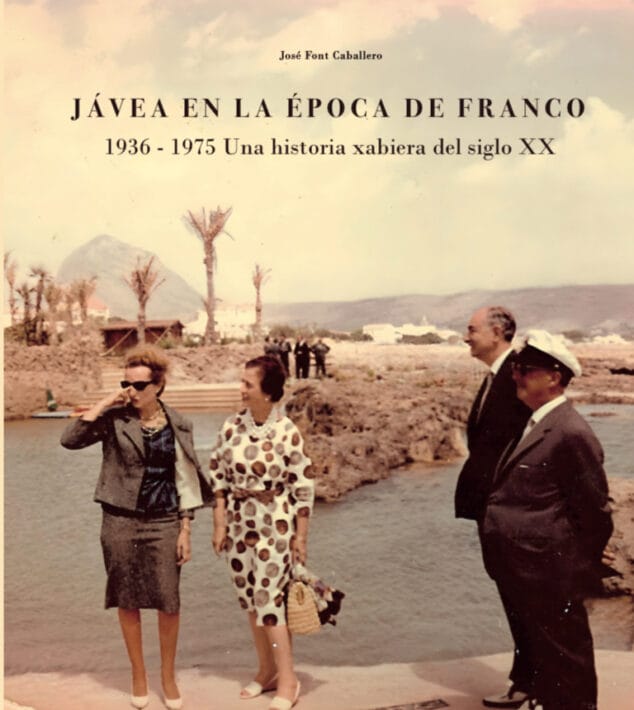
A key analysis for understanding present-day Xàbia
El work Font Caballero, following the success of its first two editions, recovers little-known testimonies, documents and episodes from the history The book offers readers a journey through a Xàbia that was far from the tourist destination it is today. This analysis covers the years leading up to the Civil War and the post-war period, up to the first municipal elections of the democratic era.
During this stage, Xàbia began an economic, social and urban transformation that would lay the foundation for its current tourism model.
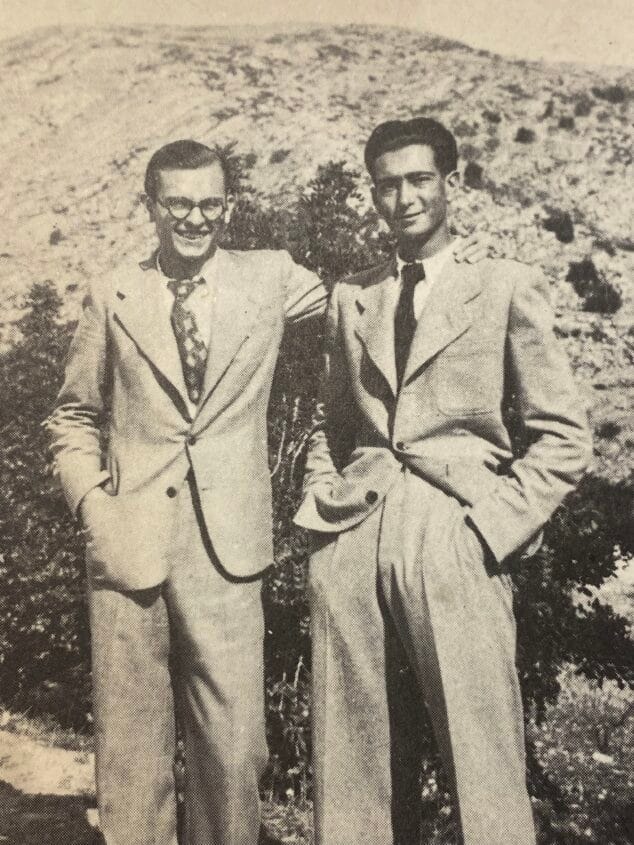
The persistence of a tourism model
One of the main conclusions of the research is the continued relevance of that transformation.
According to Font, the mayors of that era contributed to creating a tourism model that, decades later, continues to shape the municipality. The author points out that during 50 years in the Making This model has not been sufficiently transformed.

People and events that marked an era
The work recovers characters, families and events that are part of the collective memory of Xàbia.
These include the mayors of the time, the role of Mariano Navarro Rubio, and the evolution of the port.
The development of the infrastructure and the arrival of the residential. The book addresses the creation of urbanizations , the The Tosalet and the transformation of businesses and services for the new visitors.
Everyday life and the nuances of history
Font also includes particularly unknown episodes, family documents, and testimonies.
These elements allow us to get closer to the daily life of the people of Xàbia during those years, including moments of poverty and the difficulties of the post-war period.
Far from a simplistic view, Font argues for the need to understand history in all its nuances, analyzing both its positive and negative aspects. In this way, the author seeks to understand how decisions made decades ago continue to have consequences in present-day Xàbia.
Upcoming release and availability
The book's impact has reignited this debate, which the author plans to make "more visual and with a few surprises" at the presentation of this latest edition. The presentation will take place soon at a well-known local hotel.
This third edition of the book offers an opportunity for those who have not yet explored this research. It is also a chance for readers who wish to acquire a fundamental work on the recent history of Xàbia. The book invites reflection on how Xàbia's tourism industry was developed and what can be learned from those who created it.
Where to buy the new edition
The book can be purchased at Puerto de Jávea Bookstore and StationeryThis historic Customs House, open for decades in the fishing quarter of Xàbia, is a landmark for readers. Those interested can find newspapers, creative writing and publications related to local life.